

Overview
Roughly 1 in 5 individuals have a learning difference which makes them process and learn new information in unique ways. Research-based, differentiated, and multi-sensory instruction can help individuals with a learning difference gain literacy and numeracy skills.
Eligible Project Types
The Trust will fund projects that:
- Support specialized schools or learning environments offering research-based, differentiated learning opportunities;
- Train teachers and administrators in differentiated instruction methods; or
- Offer family education and support or community-based interventions.
Eligible Organizations
The Trust will consider proposals for the types of projects listed above from:
- Specialized schools or learning centers;
- Organizations offering training for educators and administrators that support students in any educational setting; or
- Post-secondary educational organizations
Size and Duration of Grants
Grants in this focus area will generally begin at $250,000 and may reach more than $1M for larger organizations with a broad reach. Grant durations typically range from 1-3 years.
Please note, the grant size and duration listed here are meant as a general guide. A Kenan Grant Officer will work closely with organizations advancing to later stages of our grant process to tailor grant requests if needed.
Featured Grant in Learning Differences: Hill Learning Center
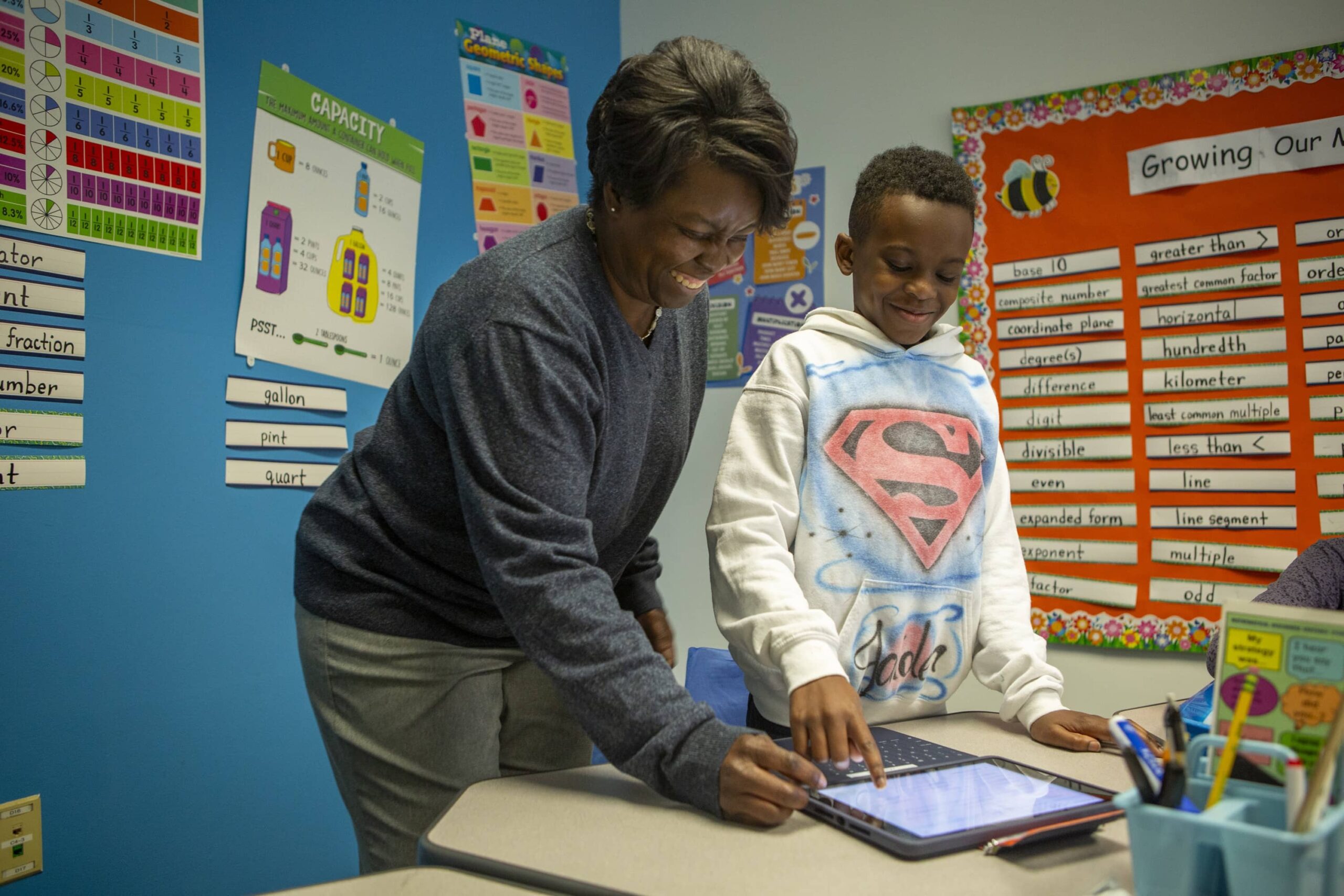
Hill Learning Center serves students with learning differences through specialized instruction with trained educators in school, tutoring, and summer programs. A Kenan Trust grant was the lead gift for a new strategic plan focused on deepening Hill’s impact in their local community to support kids with learning differences, attention challenges, gaps in foundational academic skills, and difficulties with executive function.
Featured Grant in Learning Differences: Florida Dyslexia Literacy Center

The Kenan Trust funded the teacher-training program at the Florida Dyslexia Literacy Center. The goal of this program is to provide access to Orton-Gillingham teaching techniques to all area teachers over time—both in-person or virtually—so dyslexic children can receive appropriate reading instruction in their own public, private, or charter school environments. The majority of the 30,000 students with dyslexia in Duval County are underserved in their schools, and this training will begin to address their needs.